THE PANTRY NOTEBOOK
One useful question
at a time.
20 source-linked notes about what goes in the cart. Individual feeding and medical decisions belong with your child’s healthcare professional.
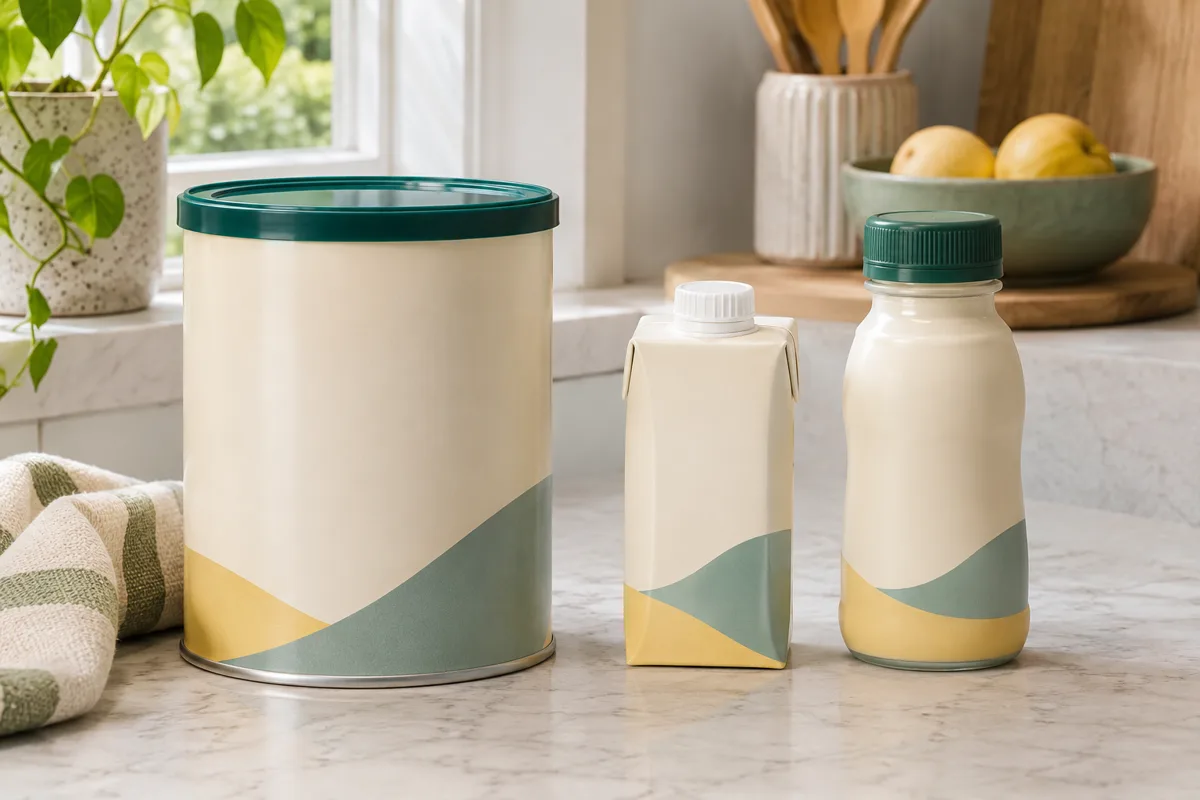
Powder, concentrate or ready-to-feed: identify the format first
These are different product formats, not interchangeable package names. Identify the exact format on the container before comparing quantity, price, preparation needs or travel convenience.
Formula unit prices: dry ounces are not fluid ounces
Compare powder with powder using net weight, and liquid with liquid using the same volume unit. Never treat a dry ounce as a fluid ounce or use package-price arithmetic to select a medical category.
How to check a formula lot against an official recall notice
Match the full product identity and the specific lot, date and packaging details in an official notice. A familiar brand name, a search result with no match, or an unexpired date does not by itself establish recall clearance.
Infant formula and toddler drinks: read the category, not the aisle
A toddler drink is not an infant-formula substitute. Read the intended age and category on the exact container; similar branding and shelf placement do not make the products interchangeable.
Compare store-brand and national-brand formula without assuming equivalence
Compare complete product labels and professional guidance, not the store logo alone. A lower price and a similar-looking description do not establish that two formulas are the right interchangeable choices for an individual child.
Shopping for a specialty formula: prepare the right questions first
Use the child’s healthcare professional’s guidance to identify a specialty formula. Do not select a specialized formula by a symptom quiz, ingredient ranking or the lowest price per ounce.
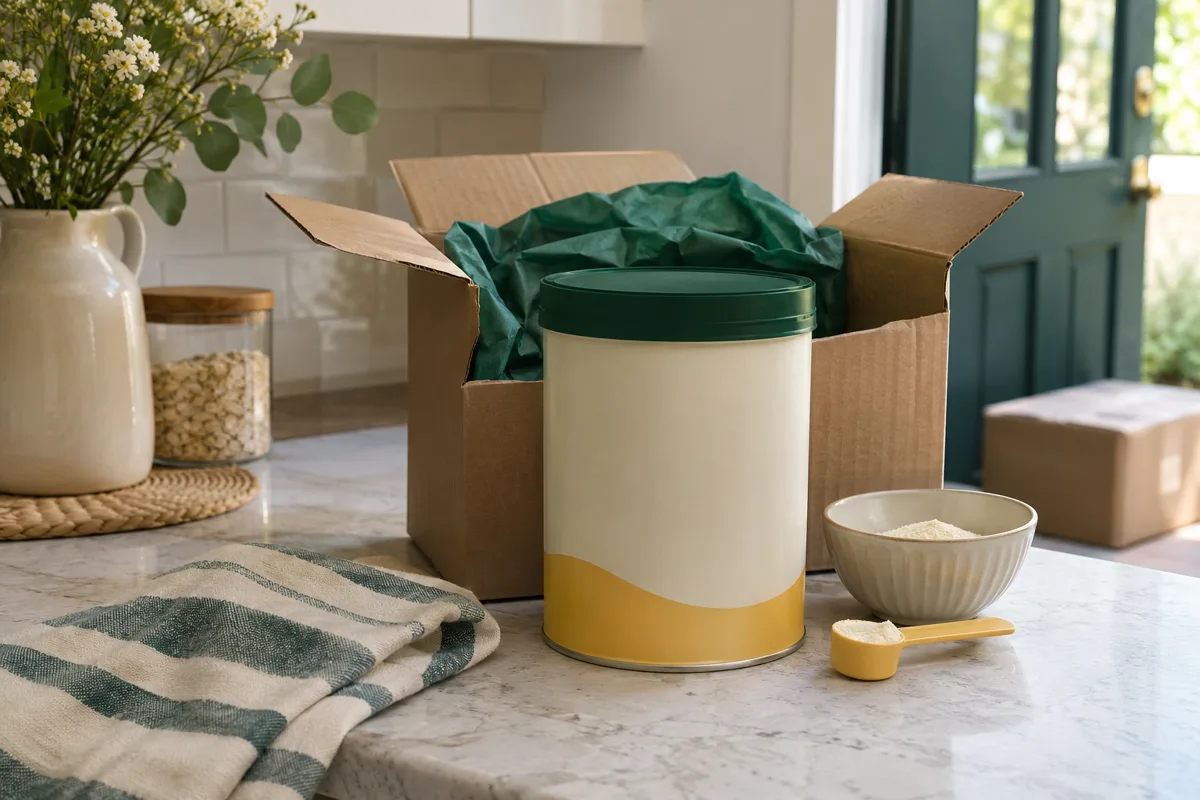
Buying formula online: check the seller, format and delivered item
Use a verifiable seller, identify the exact product intended for the US market, and inspect what arrives. A marketplace title or familiar product photograph does not verify the package you will receive.
A sealed-looking container still deserves an arrival check
Check the seal, container condition, readable identification and date before putting a product into the pantry. A delivery box that looks fine is not a substitute for inspecting each item.
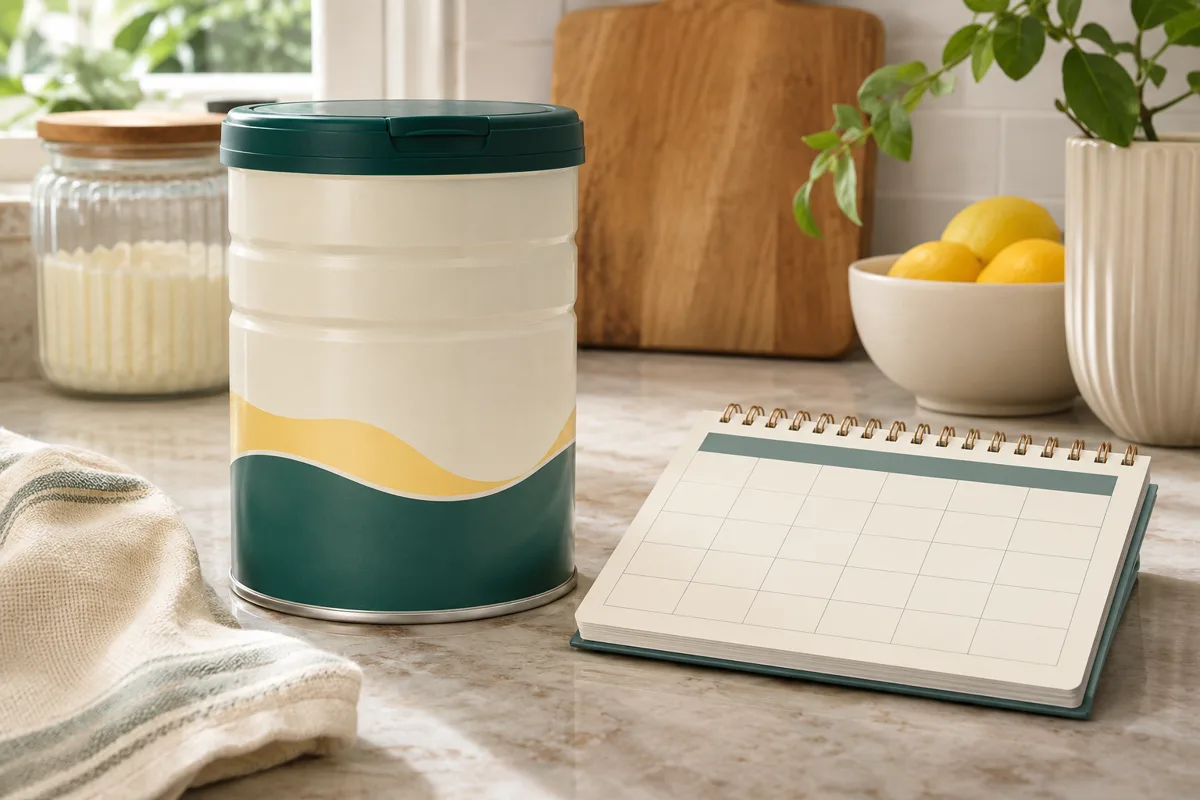
Infant formula use-by dates: check before buying and before use
Do not buy or use infant formula after its use-by date. The date is not a suggestion that can be overridden by a low price, an intact-looking tin or a normal smell.
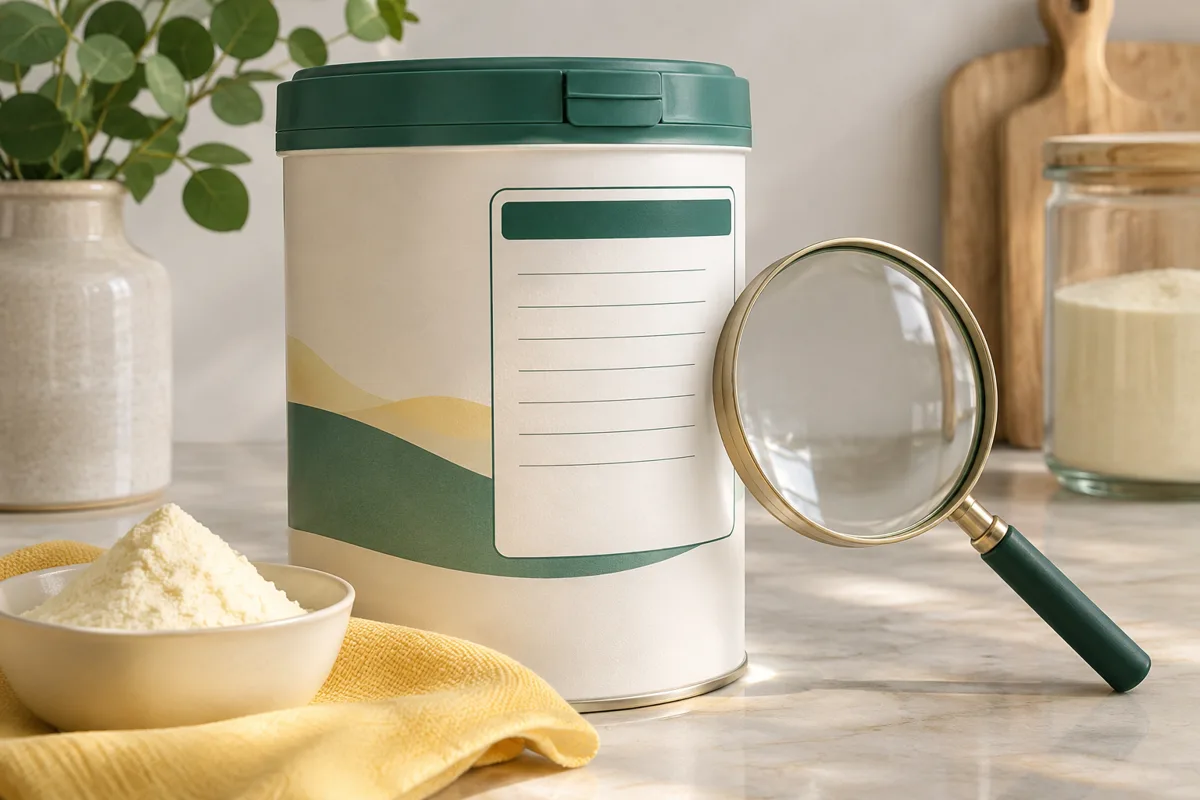
Formula label highlights: product identification before marketing claims
A highlighted ingredient or benefit claim does not establish that one formula is the right choice for a particular child. Start with the complete product category and professional guidance, then read the details.
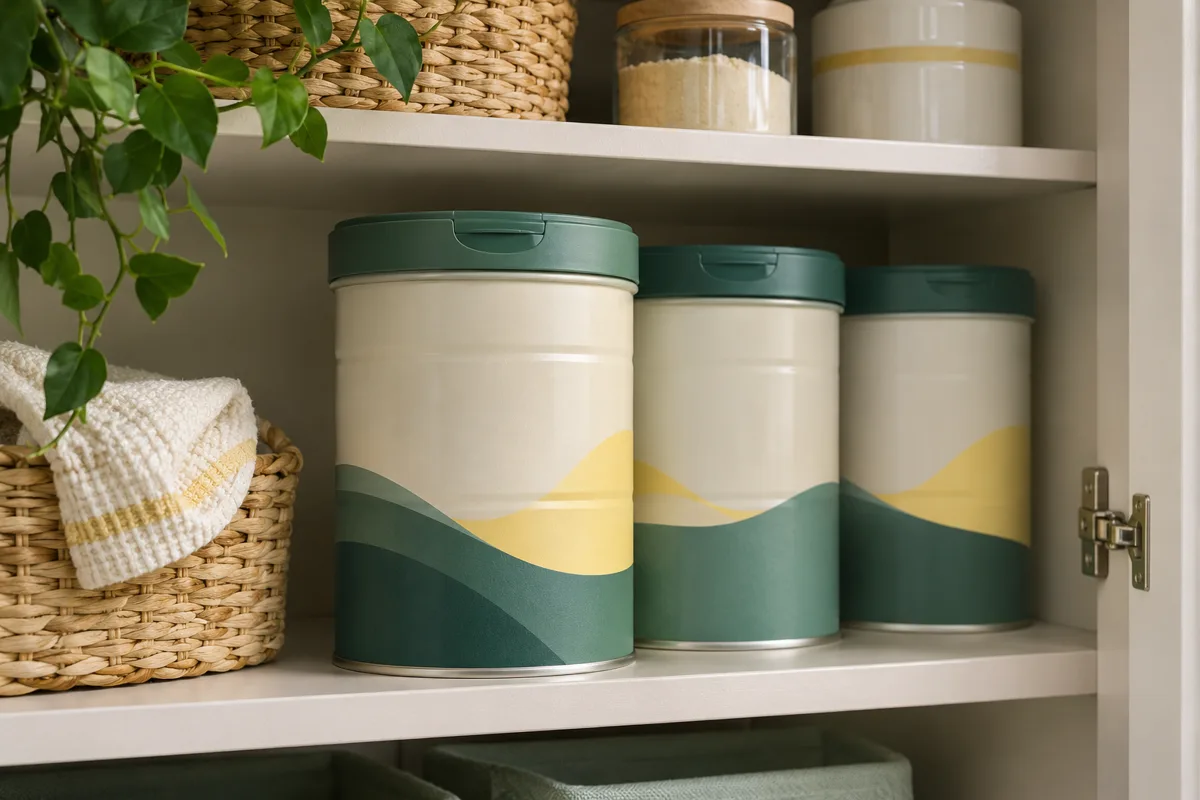
Where to keep unopened formula at home
Use a cool, dry indoor storage place and follow the product’s directions. CDC advises against storing unopened formula in vehicles, garages or outdoors.
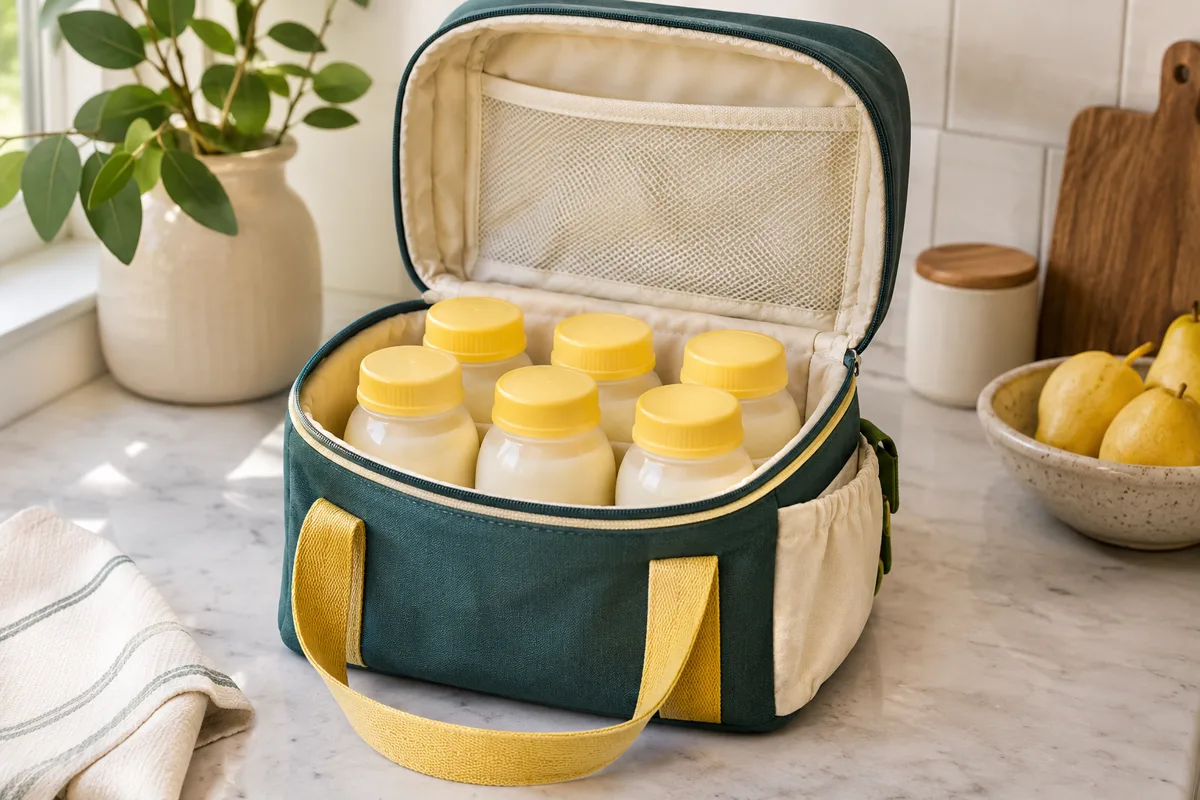
Compare ready-to-feed travel packs by container and case count
Check the complete ready-to-feed product, each container’s volume and the number of containers included. A compact pack is a convenience choice, not an automatic feeding plan or a guarantee of lower cost.
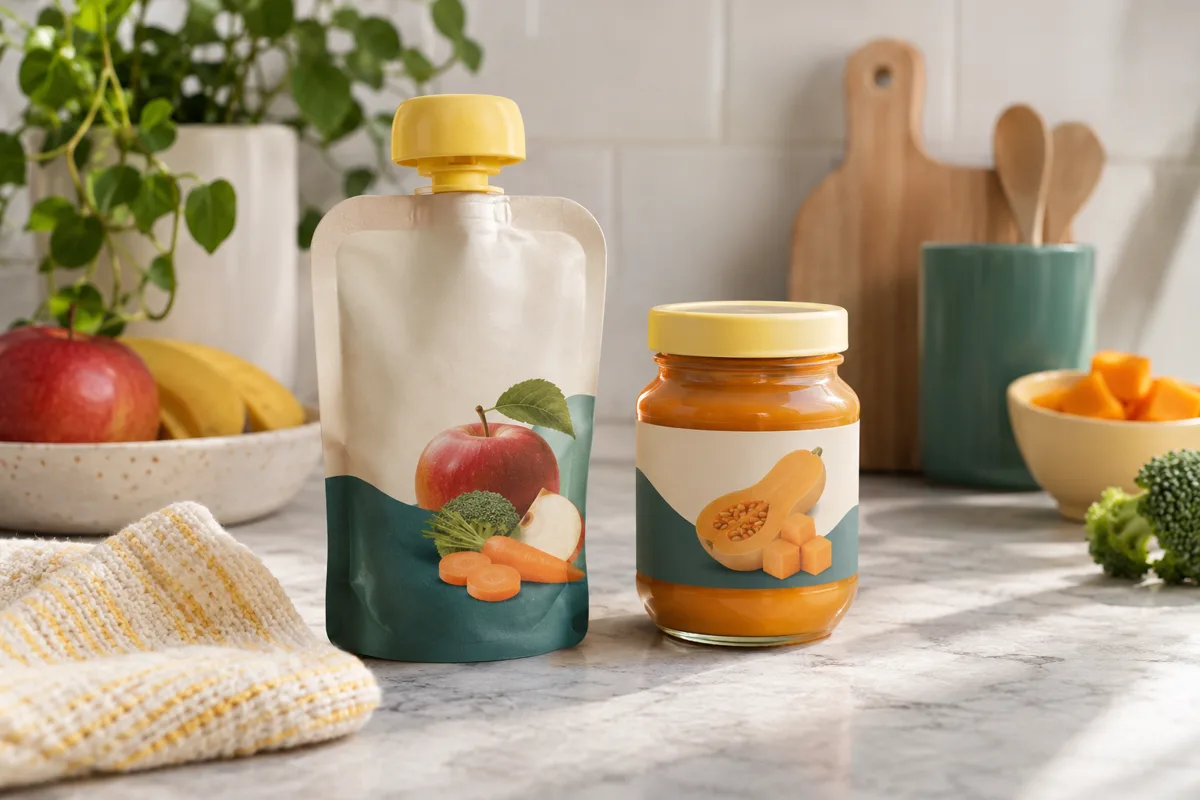
Baby-food jars vs pouches: compare equivalent contents and quantities
Compare the intended product, ingredients, texture and declared net weight before choosing by container style. A pouch count and a jar count are not comparable until you know how much each contains.
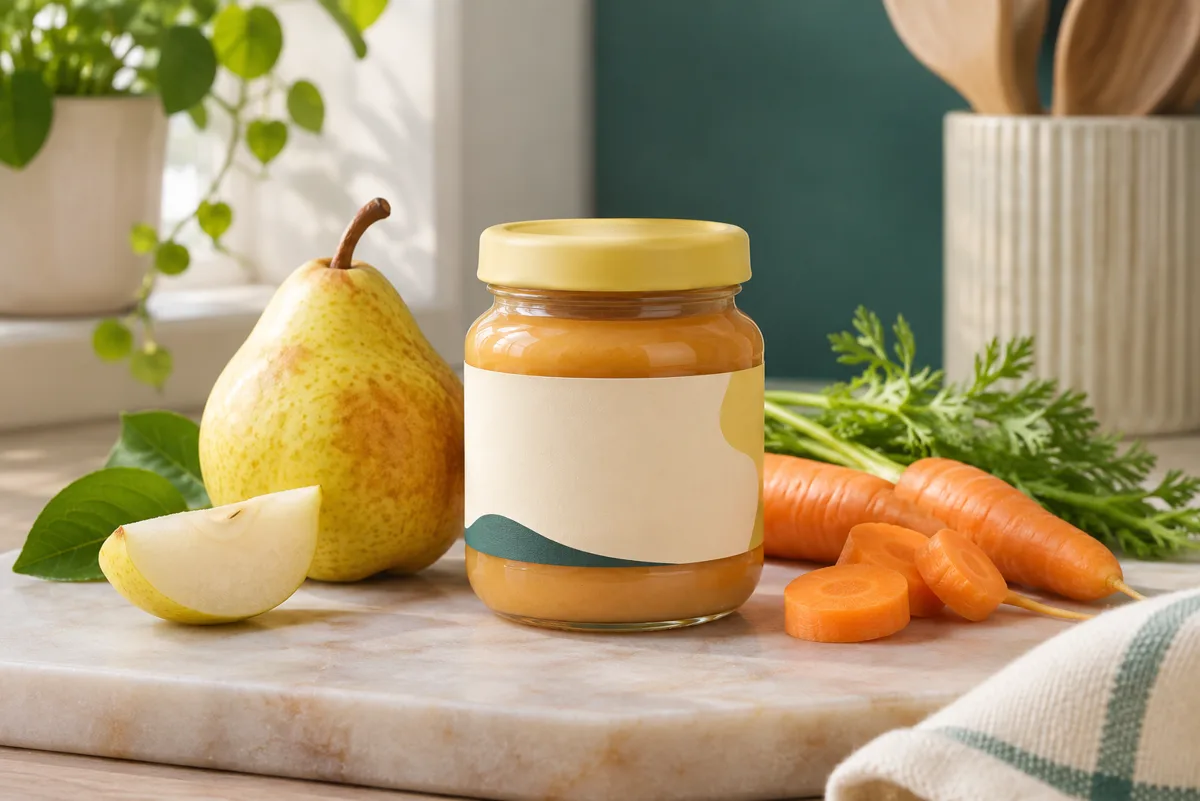
Read a baby-food label beyond the fruit picture
Use the ingredient declaration and Nutrition Facts information rather than treating the largest front-panel picture as a complete description of the food.
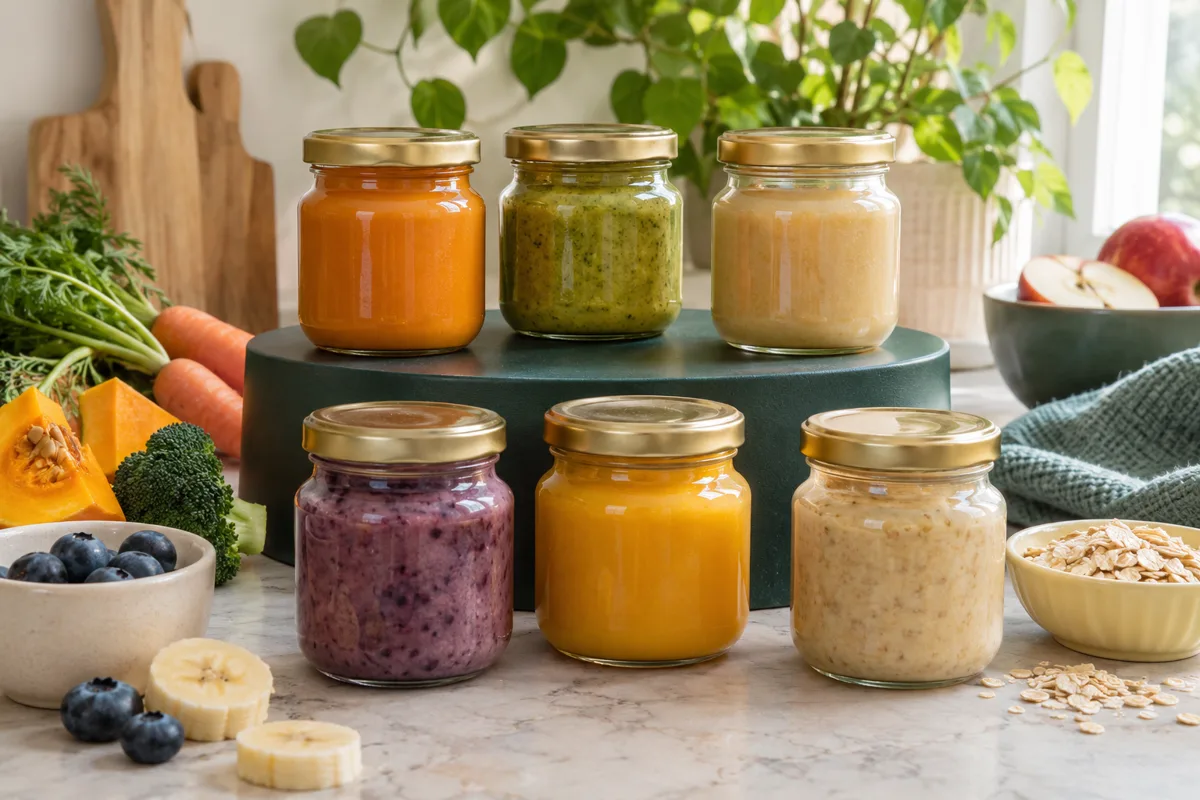
Baby-food stage labels are not an individual readiness assessment
Use a stage or age label as product information, not a diagnosis of what your child can safely manage. Texture, preparation and the child’s development matter beyond the marketing stage number.
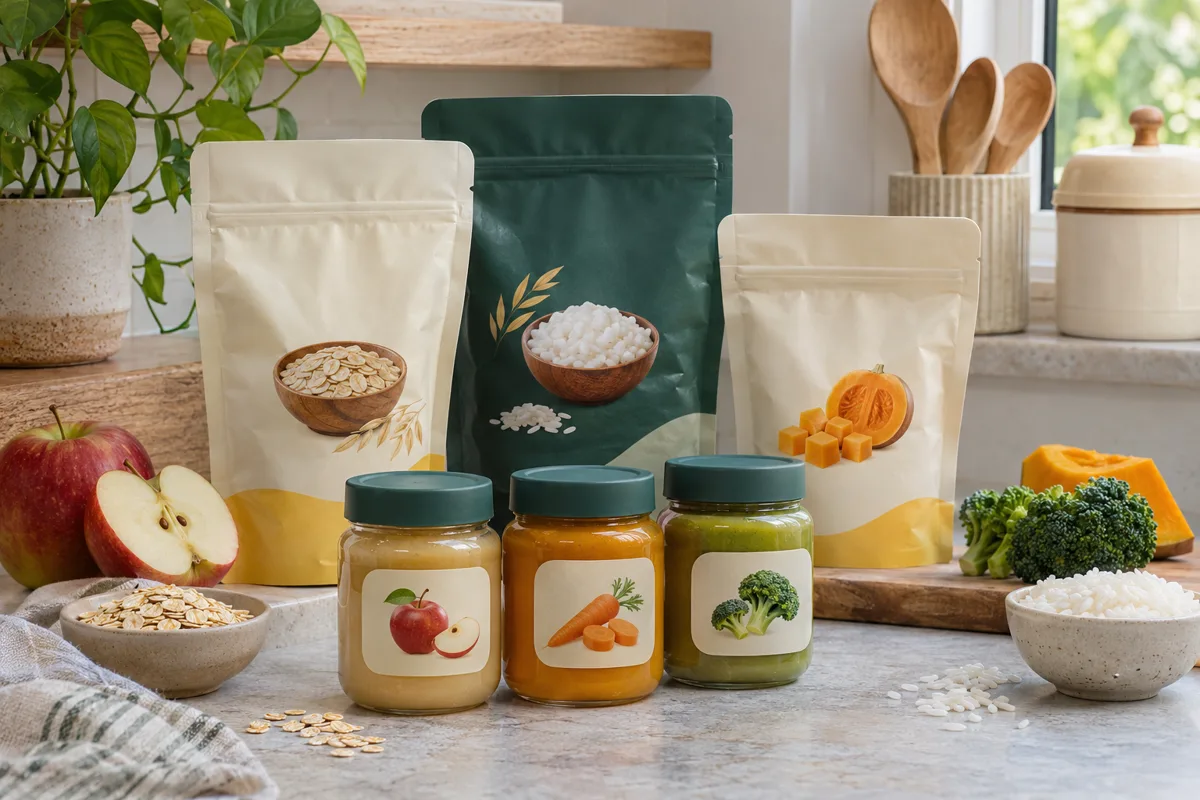
Find allergen information on packaged baby food
Read the complete ingredient list and any contains statement on the exact item. Do not rely on the absence of one front-label warning or infer an individual child’s allergy status from a package.
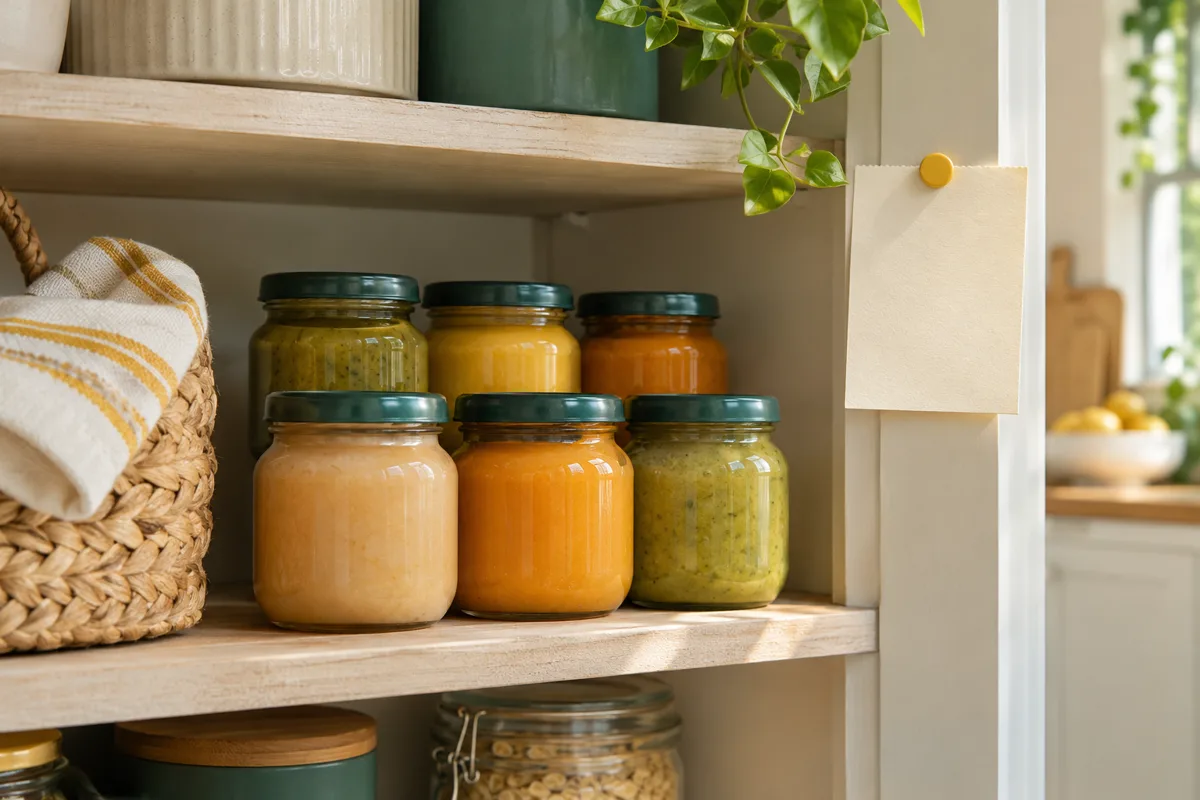
Opened baby food: keep the label and handling history together
Follow the exact product’s opening, refrigeration and disposal directions. Do not assign every jar, pouch or mixed baby food one universal after-opening deadline.
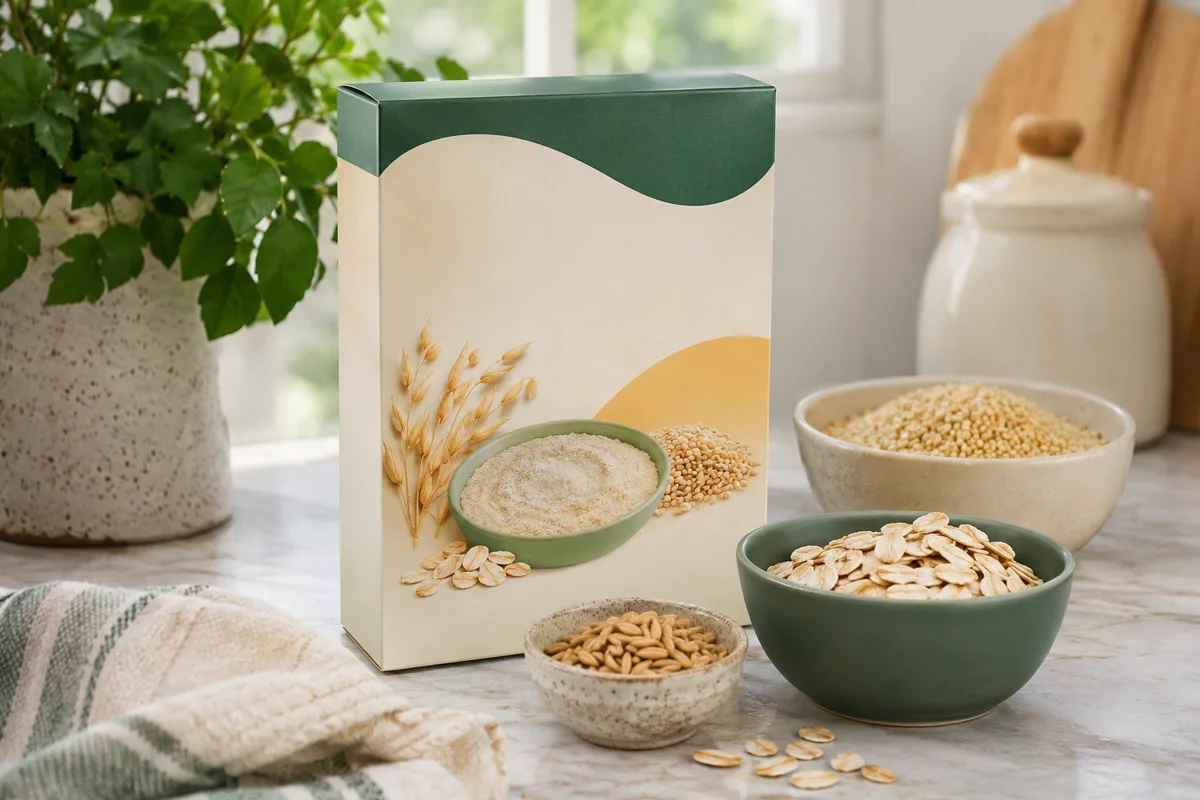
Infant cereal labels: grain type and claims are different questions
Read the declared grain, product type, ingredient information and intended use separately. A front-panel grain or fortification claim is not a personalized nutrition recommendation.
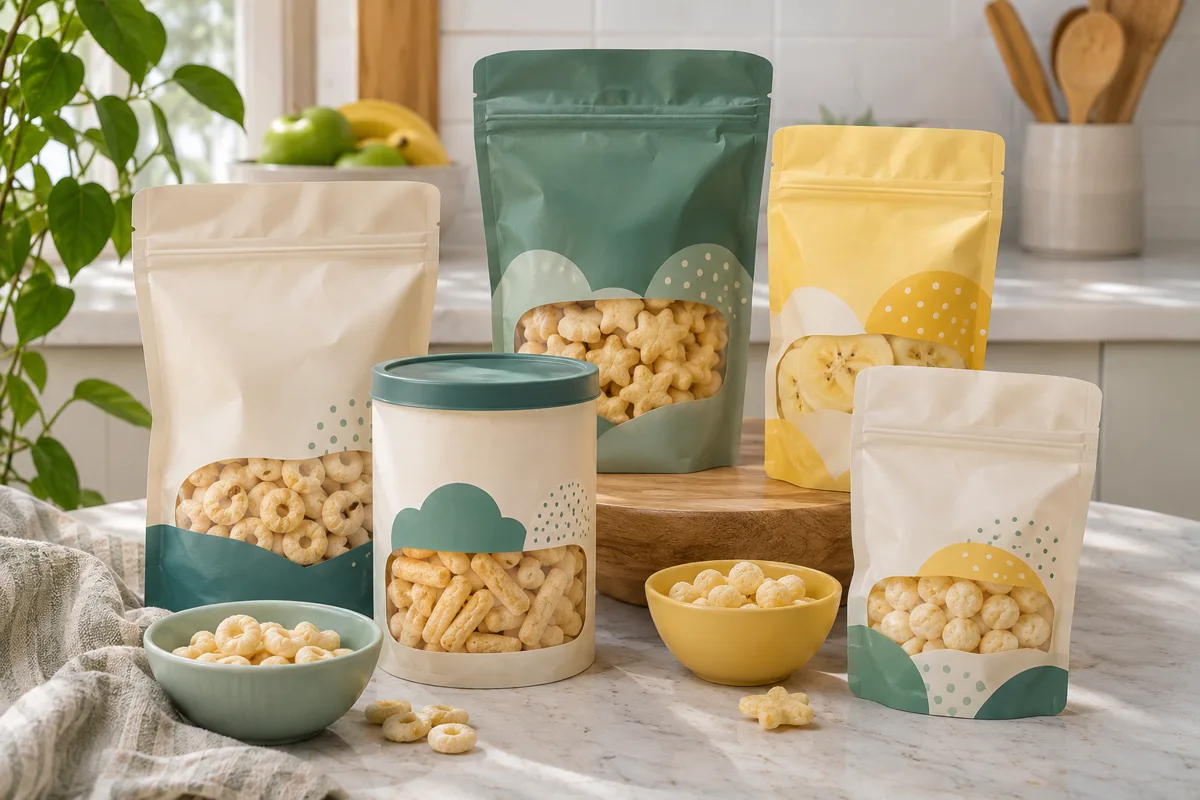
Baby-snack value: compare net weight, not a serving promise
Compare actual net weight and the intended product, then evaluate the label and eating guidance separately. A package’s serving count is not an individual feeding recommendation.
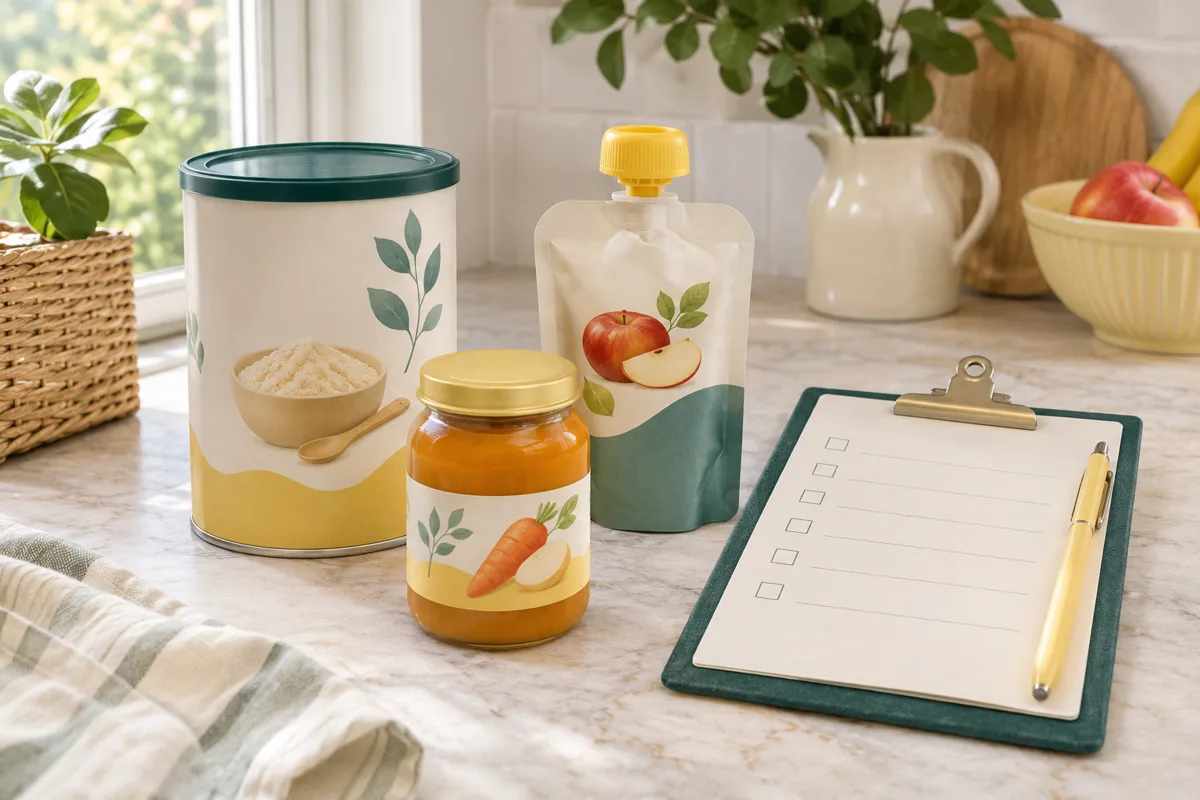
Three powder-formula listings: dated prices and net-weight arithmetic
These three official US listings illustrate purchase arithmetic, not a nutritional ranking or a recommendation to switch products. Prices were observed November 4, 2026; final checkout and recall checks remain separate.